Convert Any File Type Free
Using a free file converter, you can rapidly convert images to the right format and size—perfect for social media, websites, or file sharing. All you need to do is upload your files, choose your target output format (including JPEG, PNG, or GIF), and download the converted files in seconds. These services manage bulk image processing, minimize image sizes to reduce file size, and keep your data secure. You don't need any technical expertise, and you'll meet different platform requirements with ease. Keep reading to explore features, privacy tips, and more.
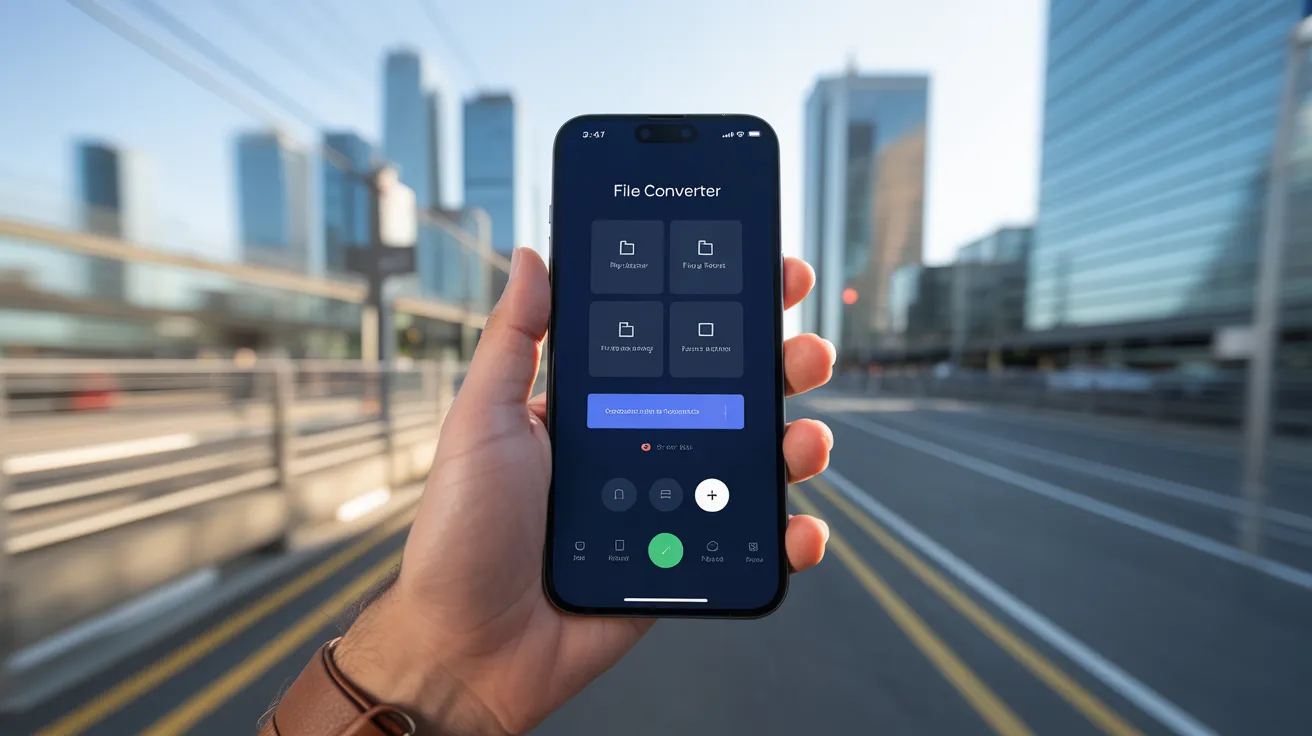
Essential Points
Why Quick Image Conversion Matters
If you're update a website, deliver files to clients, or prepare images for social media, quick image conversion conserves valuable time and resources. It's crucial to get your images match the proper format, and frequently, the suitable size. File size reduction is essential—compressed images improve web loading speed, reduce storage needs, and make sharing easier. If you're handling multiple images, batch processing becomes indispensable. As opposed to converting files separately, batch processing allows you to transform entire folders quickly and efficiently. This efficiency is essential in professional workflows where time counts. Fast image conversion ensures your files are suited for various platforms and devices, boosting productivity and keeping quality, all while meeting specific requirements for size and format.
Core Characteristics of a High-Quality File Conversion Tool
When selecting a high-quality file converter, you need to consider features that optimize your process and ensure reliable results. Efficient file compression is vital, enabling you to reduce file sizes without sacrificing image quality. This preserves storage space and makes file transfers quicker. Multi-file processing is also essential—managing multiple files simultaneously boosts productivity and prevents repetitive tasks. Seek out converters with a user-friendly interface, so you can efficiently manage options and settings. Quick conversion means you're not waiting around, even with large files. Additionally, comprehensive security measures secure your data during conversion. Dependable functionality, reduced issues, and automated improvements round out the essentials. These features guarantee your file conversion process is seamless, streamlined, and reliably excellent.
Understanding Supported Image Formats
You'll commonly deal with frequently used image formats like JPEG, PNG, GIF, and BMP. It's important to understand the distinction between lossless formats that retain image quality, and lossy formats that minimize storage by removing specific details. This understanding helps you select the most suitable format for your purposes, whether you're looking for reduced file sizes or highest image fidelity.
Widely Used Image File Types
Want to know about the different image formats available to you? You'll encounter several widely-used types when handling images. JPEGs are preferred for photos due to their small file sizes and broad compatibility. PNGs excel at keeping transparency and detail, making them ideal for graphics with precise details. For vector graphics—images that resize cleanly without degradation—SVG is the preferred format. If you need animated images, GIFs are widely supported, although they have color restrictions. BMP files are bigger but uncompressed, but certain applications demand them. TIFF provides flexibility and allows for layering, favored in publishing and design. WebP balances quality and size, becoming prevalent for web use. Knowing these formats helps you select the right choice for your needs and provides efficient, fast conversions.
Comparing Lossy and Lossless File Formats
Ever pondered why some image files are crystal clear but substantial, while others are small yet a bit unclear? The answer lies in compression techniques. Lossless formats, such as PNG and TIFF, preserve every detail by reducing data without losing any information. The outcome is perfect quality, but the file size stays substantial. Compressed formats, like JPEG, utilize intensive compression methods to reduce file sizes substantially by eliminating less apparent details. This renders images easier to store and distribute, but you'll notice small quality reduction, notably after several edits or conversions.
When choosing between lossy and lossless options, you should evaluate what you need in terms of compression and fidelity. Moreover, think about format support—different platforms and devices only work with specific formats, which could impact which option you select.
Getting Started with the Converter: Easy Steps
Begin by uploading your file straight to the platform. After that, pick your preferred output format from the offered options. When processing completes, you can download the converted file instantly.
Adding Your Image File
Looking to begin? Begin by selecting the "Upload" button on the converter's homepage. You'll see a prompt to choose your image file from your device. Ensure you know where your file is saved for swift access. Before proceeding, review your image resolution and file size—bigger images and weightier files may take additional time to upload, according to your internet connection. Most converters work with common formats like JPG, PNG, or GIF, but ensure your file type is allowed. Once you choose your file, the upload operation will initiate automatically. You'll see a progress bar indicating the upload status. Keep open the tab during this step. After the upload completes, you're prepared to advance to the next step in the conversion procedure.
Selecting Your Output Format
When your image finishes uploading, you'll need to pick your preferred output format from the available formats shown in the converter. Choosing the format is a crucial step, as it defines how your image will be preserved and applied afterwards. Most converters support standard formats such as JPG, PNG, GIF, BMP, and TIFF, allowing you to choose the option that fits your requirements. Use the provided menu to make your selection—various programs even display short summaries of the file types to guide your choice.
Based on the converter, you could also discover customization settings. These let you adjust settings including picture quality, compression level, or color settings before proceeding with the conversion. Make sure to select these options to make sure your converted image matches your specific requirements. Double-check your selections before proceeding.
Accessing Your Converted Image
Want to save your converted image? Once the conversion finishes, you'll find a clear download control. Select it to save the converted file on your system. When using file compression or image resizing, the resulting image will include your modifications—optimized for file size or dimensions as specified. Most online converters save to your default downloads folder; look in that location if you're having trouble finding it.
For your security, be certain the download is finished before exiting the converter page. If you converted multiple images, you might get a ZIP file containing all results. Decompress the images using common file management tools. Remember the degree of file compression and image resizing influences your downloaded picture's clarity and functionality, so check the output before sharing or printing.
Contrasting Premium and Free Image Format Converters
When comparing image conversion tools, you'll observe distinct differences between free and paid options. Free tools typically feature a basic user interface that's user-friendly but might not include advanced features or personalization features. You could experience advertisements or upload limitations, which could hamper your workflow. Paid tools typically provide an enhanced user interface, including batch conversions, enhanced resolution exports, and additional format options.
Support service is an important distinction. Free converters typically provide limited help; when problems arise, you'll typically depend on community forums or help guides. By contrast, paid solutions typically offer professional help, allowing you to resolve problems quickly. At the end of the day, your decision comes down to your specific requirements—if you appreciate user-friendly features, enhanced functionality, and support, choosing a paid option could be beneficial.
Security and Privacy During File Conversion
While free file converters deliver convenience, it's important to assess how they process your data during the conversion process. When you transfer images to a converter, you're entrusting the platform with possibly sensitive content. Verify the service employs strong encryption measures for both data transmission and storage. Strong encryption shields your files from interception. Before submitting, examine the service's user privacy policies to understand how your data is processed. Reliable converters should specify whether they keep, disclose, or remove your files after processing. If you don't see transparent privacy practices, think twice about using that service. Following these precautions helps you secure your personal details and confirms that your converted images stay protected throughout the operation. Invariably emphasize security over convenience.
Essential Strategies for Optimizing Converted Visual Content
To maintain superior image output that's both high-quality and space-efficient, concentrate on optimizing settings before saving. Begin by selecting the appropriate image resolution—greater resolution offers crisper images but enlarges file size. For web applications, opt for a balanced resolution to create an optimal balance between clarity and loading speed. Subsequently, adjust color depth according to your requirements. Reduced color depth shrinks file size but could impact gradients and subtle tones, while higher color depth retains color fidelity at the expense of larger files. Always preview your output to confirm visual quality satisfies your expectations. In conclusion, pick the most suitable format (JPEG, PNG, or WebP) for your intended application. These measures confirm your converted images are both high-quality and properly sized for every use.
Common Inquiries
How Many Files Can I Convert Each Day?
When it comes to file conversions, you should be mindful of your usage. You'll need to monitor conversion limits, since many platforms set daily usage restrictions to guarantee fair distribution and preserve system efficiency. These daily limits typically restrict your file quantity, overall size, or number of conversions. Make sure to check the service's specific guidelines so you don't hit a wall during your conversion tasks.
Does the Converter Work on Phones and Tablets?
The converter is accessible on your portable device, due to its mobile-friendly design. The responsive layout provides smooth operation on various devices, so you won't experience substantial device restrictions. Simply visit the converter using your mobile browser, select your files, and start converting. You don't need to add additional applications, making awesome tool the experience efficient and user-friendly. Just ensure your device has a reliable internet connection for ideal results.
Is Internet Connectivity Required for Using the Tool?
Similar to how a car requires fuel to operate, this tool requires an internet connection to function. Offline operation isn't possible, so internet connectivity is crucial for uploading files, processing conversions, and downloading results. Should you lose internet access while using it, your process could fail or stop midway. Staying online is necessary during the whole operation to ensure smooth performance and proper file processing each time.
Will Your Converted Images Include Watermarks?
During image conversion, you generally aim to guarantee there's no watermark added to your files. Quality conversion services prioritize watermark removal, so your processed images preserve high image quality. There's no need to stress over unwanted watermarks or branding interfering with your visuals. Always check the tool's policy, but you can expect high-quality output that preserve your original content. If maintaining image quality matters, you can trust on trusted conversion tools.
How Do I Report a Problem or Suggest a New Feature?
Should you encounter a problem or wish to suggest a new feature, you can use the feedback submission option typically available in the app's help menu. This is the section where you can explain any problems or send feature requests. Remember to include detailed information, so that the development team can resolve your concerns promptly. Your feedback helps improve the service and guarantees that new features meet users' needs.
Closing Remarks
Picture a file converter as a bridge, carrying your images from one side to another—quickly, securely, and smoothly. With the proper tool, you're not just transforming formats; you're unlocking innovative solutions and enhanced communication. By selecting a reliable, protected converter and fine-tuning your files, you preserve your digital world organized and productive. Move forward across that connection—your images will emerge perfected and prepared for future use. Your workflow merits nothing less.